
From Media Buyer to Agency: Why We Built Wave This Way
Wave was built on a lesson its founder learned inside ads manager: targeting and budget can't rescue weak content. So every stage of an ad lives under one roof.
Wave Studio was founded by Jawdat Al-Azizi, who started out as a media buyer, the person who builds ad campaigns and manages their budgets, and is now a creative strategist. Working inside ads manager, he saw that content decides whether an ad wins or loses, more than targeting or budget. So he built Wave with strategy, scripting, filming, editing, ad buying and measurement all under one roof.
That isn't an organizational detail. It's why Wave talks about cost per conversation and return on ad spend instead of likes, and why every video we make is tied to a number from day one. Here is what a media buyer sees that others don't, and how that lesson became a way of working.
What a media buyer sees from the inside
A media buyer spends the day in numbers: cost per thousand impressions, click-through rate, cost per conversation, return. And they see something business owners and designers rarely do: same budget, same audience, same settings, and two ads with completely different results. The only difference is the content: the first seconds, the hook, how the product is shown, and the line that makes someone send a message.
Over time the lesson becomes clear. Smart targeting and budget allocation improve results, but they can't rescue a weak ad, and a strong ad makes every tool in ads manager work better. We explain the difference between real ad management and simple boosting in what media buying really is.
The problem: marketing split between many hands
In most businesses an ad passes through several parties: one writes, one films, one edits, another runs the ads. Each hands over its part and considers the job done. That's where the gap appears:
- The scriptwriter never sees the ad numbers, so doesn't know where viewers dropped off.
- The ad manager sees the video is weak but can't change it, so keeps adjusting targeting and budget.
- The owner receives two different reports, with each party blaming the other.
- Nobody owns the final result: did the ad sell or not?
That's where one of Wave's own ad messages comes from: the difference between an ad that sells and an ad that wastes money is one company. When every stage sits with the same team, responsibility for the result is clear.
What changes under one roof
Bringing it together isn't just convenient for the client. It changes how content is made:
- Scripts are written from the numbers: writers see which hooks and angles brought cheaper conversations in past campaigns and build on them.
- Shoots are planned for testing: instead of one video, we film enough for several versions with different openings.
- Editing responds to data: if viewers leave at a certain second, the editor recuts that same week.
- Budget follows content: the media buyer puts spend behind the version that proved itself and stops the ones that didn't.
- Reports talk about sales: cost per conversation, cost per lead and return, not likes.
That's what we mean by «المحتوى اللي ما بيبيع، مش محتوى», content that doesn't sell isn't content. Another message we repeat: focus on the next five seconds, content must be studied. We expand on this in content that sells vs content that just looks good.
How it became a way of working
The idea became a team with clear roles: creative strategy, account management, content writing, media buying, design, video editing and client relations. And a four-stage process we follow with every client:
- Understand: a session with the client's team, and analysis of the account, competitors and current sales numbers.
- Create: script and hook, filming, editing, and several versions to test.
- Launch: publish and advertise where the customer is, with budget split by goal.
- Measure and scale: a report with numbers; scale what works, stop what doesn't.
Today Wave has worked with more than 70 clients in Jordan and the Gulf and produced more than 1,000 videos, across automotive, restaurants and cafés, education, health and beauty, e-commerce, hotels and event venues, and entertainment.
Example: how this plays out on one ad
Imagine an ad for a burger restaurant in Amman. The writers produce three openings for the same video. A few days after launch, the media buyer notices one opening stops more people, but many leave a few seconds later. In a split setup, that observation often reaches nobody. With us, it goes to the editor and writer the same day: the opening is strong, what follows is slow. The cut is fixed, a new version goes live, and budget moves to the better one. Same video, faster decision, because everyone making it sees the same numbers.
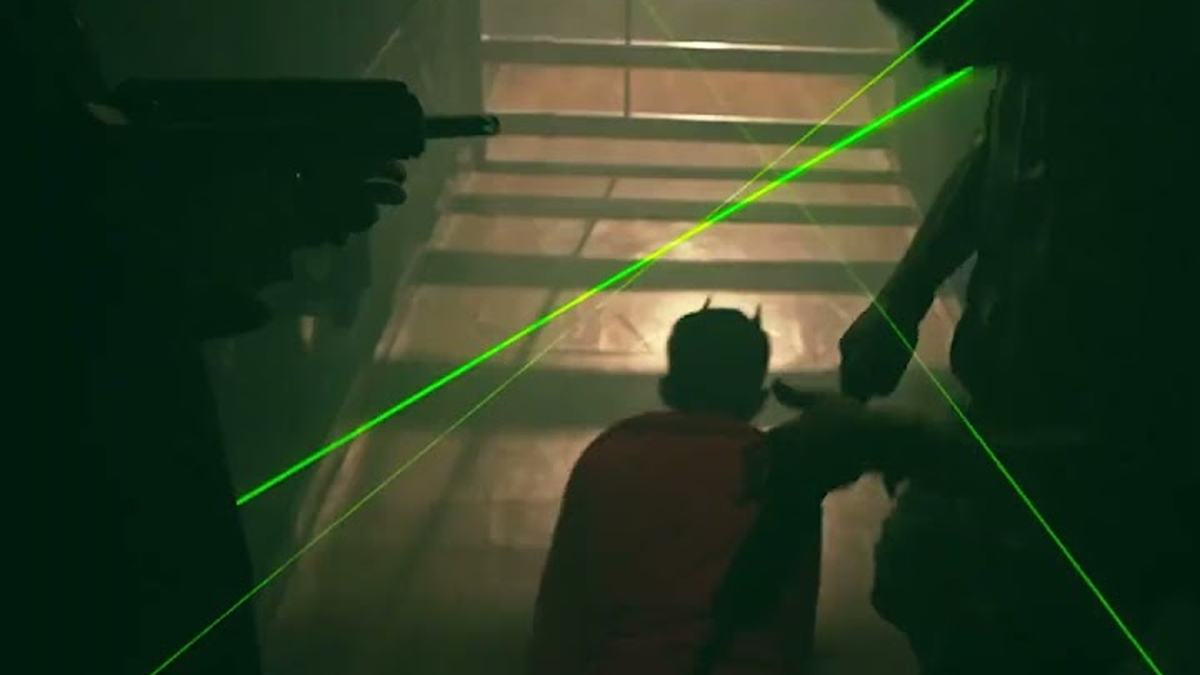
This is also what lets strong content spread. A paid ad for the Phobia horror experience reached 3.5 million views, 20,000 shares and more than 42,000 likes. Shares in particular can't be bought with budget; they come from content people felt was worth sending on.
How we handle this at Wave
Each client has one team that sees the same numbers, from strategist to writer to filmmaker and editor to media buyer. We start by understanding and analyzing, write and film in several versions, launch by goal, and measure by cost per conversation, cost per lead and return. When the numbers say something isn't working, we fix the content itself, not just the settings. That is the idea Wave was built on: creative strategy tied to sales, under one roof.
Questions about this topic
Who founded Wave Studio?
How is Wave different from an agency that only runs ads?
Why does Wave focus on cost per conversation and ROAS instead of likes?
Want us to apply this to your brand?
Message us on WhatsApp, tell us what you sell and to whom, and we'll come back with a first idea and a plan.
Chat with us on WhatsAppRelated articles
 How we work
Your First Week With Wave: How We Start With a Client
We don't spend a single dinar on ads in the first week. We spend it understanding, analyzing and building a clear plan, because that week shapes the months after it.
4 min read How we work
What We Need From You to Get Started: A Checklist
The fastest start with any agency happens when information and access are ready on day one. Here is the list we ask for, and why each item matters.
4 min read How we work
How to Choose a Marketing Agency in Jordan: 10 Questions to Ask
Choosing an agency isn't just about design or price. It's deciding who will spend your budget and how they will hold themselves accountable. These questions show the difference fast.
4 min read