
How We Analyze Your Competitors' Ads Before Writing a Line
Competitor ad analysis is not copying. It is a map of what the market has already said and the gap nobody has filled. Here is our process, step by step.
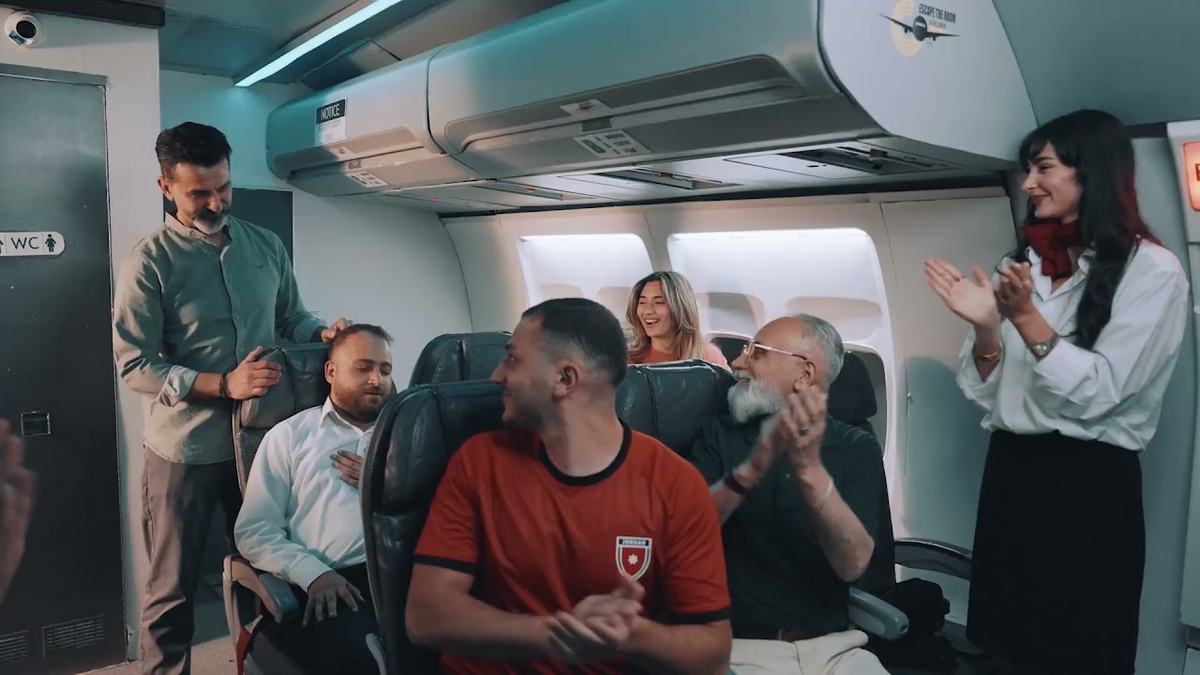
Before we write the first line of any script, we spend time on your competitors’ ads: what they say, who they speak to, which formats they use, and which ads have been running for a long time. The aim is not to imitate them. The aim is to learn what the market has already heard too often and which angle nobody has touched, so your ad does not come out as a copy of someone else’s.
The main sources are free and open to anyone: the Meta Ad Library, the TikTok Creative Center and Google’s Ads Transparency Center. The difference is not the tool. It is how you read what you find and the questions you ask about each ad.
Where we find competitor ads
- Meta Ad Library: shows every active ad from any Facebook or Instagram page, with the start date and how many versions share the same creative. This is always our first stop.
- TikTok Creative Center: has a top ads section by country and industry. Useful for seeing which styles work on the platform, even if your direct competitor is not on it.
- Google Ads Transparency Center: shows search and video ads by advertiser. We add manual searches on your customers’ keywords to see who appears and what they write.
- Comments under competitor ads: the real goldmine. Questions, complaints and objections about price or quality give us material for content that answers what the competitor left unanswered.
What we record for each ad
We keep a simple sheet, one row per ad, with these columns:
- Hook: the first line and first shot, word for word.
- Angle: price, quality, speed, fear of a problem, or status?
- Offer: discount, free delivery, gift, installments, or none.
- Format: talking to camera, product shots, static design, carousel, or customer-style video.
- Requested action: WhatsApp, DM, website, or call.
- Run time: from the start date in the library.
- Comment notes: the most repeated question or objection.
After 20 to 30 ads from four or five competitors, patterns appear on their own. Maybe everyone talks about price, or nobody shows the product being used.
Reading the signals without fooling ourselves
Ads that have run for months
If an ad has been live for a long time, it is probably bringing an acceptable result, because few people keep paying for a losing ad. That is a strong signal, not proof. Sometimes nobody is watching the account.
Many versions of one idea
When a competitor runs six cuts of the same video with different hooks, the core idea is likely working and they are testing openings. That idea deserves a closer look.
What you cannot know
For regular commercial ads, the library does not show budget or results. So we never base a decision on one ad. We look for patterns repeated across competitors.
Google gives harder numbers
Inside a Google Ads account, the Auction Insights report shows your impression share against competing domains on the same keywords. For a client in hearing solutions, their ads reached a 34.8% impression share, ahead of the competing domains in that auction. That is a real comparison, not a guess.
Example: a new perfume brand in Amman
Say a local perfume brand wants to sell online. We analyze five competitors and find:
- Most ads are a bottle on a luxury background with music.
- The most common angle is “luxury scent for less,” so everyone is competing on price.
- In the comments, the repeated questions are “How long does it last?” and “Can I get a sample first?”
- Not one ad shows a real person wearing the scent and giving an opinion hours later.
The plan almost writes itself. Instead of a price war, we build content around longevity: someone sprays the perfume in the morning, and we return at the end of the day to ask if the scent is still there. We add a small sample offer because the market asked for it and competitors ignored it. The ad answers a real question instead of repeating what the audience has already seen many times.
The next step is turning these notes into angles and ideas, which we cover in content angles: one product, ten ad ideas.
What we never do
- Copy a competitor’s ad. Even if it works for them, the audience links it to them and yours looks like an imitation.
- Judge from one ad. We look for patterns across several competitors.
- Ignore indirect competitors. A burger place competes with every quick dinner option in its area, not only other burger places.
- Stop after launch. We check the library regularly, because markets shift and competitors try new things.
Competitor analysis is one part of a bigger picture called creative strategy, explained in what is creative strategy.
How we handle this at Wave
In the Understand phase with every new client, we analyze the ads of four to five direct and indirect competitors in a single sheet. We take three things from it: messages the market is tired of, questions nobody has answered, and formats nobody has tried. That summary goes into the brief our scripts are written from. After launch, we keep checking competitors periodically to catch any shift in the market.
Questions about this topic
Is using the Meta Ad Library allowed?
What if my competitors do not advertise at all?
Can I find out how much a competitor spends on ads?
Want us to apply this to your brand?
Message us on WhatsApp, tell us what you sell and to whom, and we'll come back with a first idea and a plan.
Chat with us on WhatsAppRelated articles
 Creative strategy
Content That Sells vs Content That Just Looks Good
Content that sells starts with one question: what should the viewer do after watching? Here are the signs that separate it from content that only looks good, and how to measure it.
4 min read Creative strategy
The First 3 Seconds: How We Write Hooks That Stop the Scroll
A hook is not just a clever line. It is a visual, on-screen text and a spoken line working together in the first 3 seconds. Here is how we write and test them.
4 min read Creative strategy
What Is Creative Strategy? A Practical Explanation From Our Work
Creative strategy is the bridge between a sales goal and the video that gets filmed. Here is what it covers, what it produces, and how it differs from a content plan.
4 min read