
The First 3 Seconds: How We Write Hooks That Stop the Scroll
A hook is not just a clever line. It is a visual, on-screen text and a spoken line working together in the first 3 seconds. Here is how we write and test them.
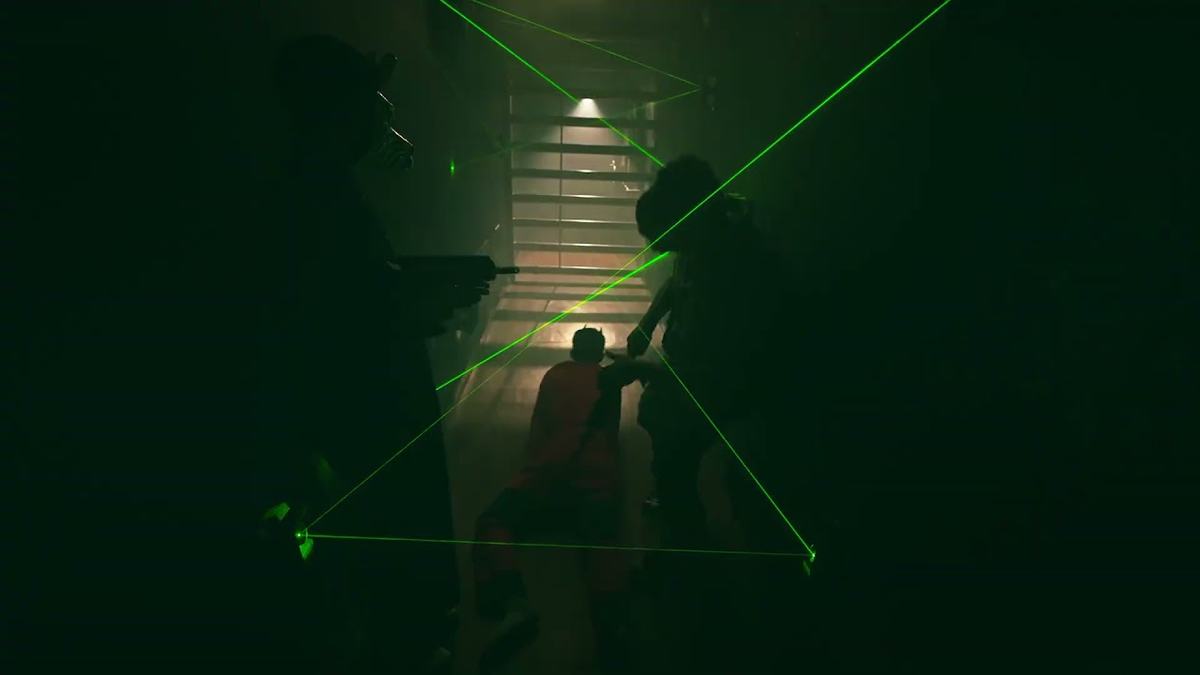
The hook is the first 3 seconds of a video, and it decides whether the viewer keeps watching or scrolls past. We write it as three layers that work together: a visual that catches the eye, on-screen text that explains the topic even with the sound off, and a spoken line that speaks to a problem or desire the viewer already has. If one layer is weak, the whole hook is weak.
A good hook is not about the brand. It is about the viewer: a question they recognize, a problem they live with, or a result they want. We never write just one. We write several openings for the same video and let the numbers choose.
Why the first 3 seconds?
On Instagram, TikTok and Snapchat, people decide very quickly whether a video is for them. Meta itself reports “3-second video plays” as a core ad metric because it shows how many people made it past the first moment. In one awareness campaign we ran, 3-second video plays reached 29.9 million. Numbers like that teach you that the opening is not a detail. It is the gate everything else has to pass through.
But the hook is not the goal. One of our own ads says: focus on the next five seconds, content must be studied. The hook buys attention, and what follows has to deserve it. A strong hook on weak content brings views without messages.
The hook types we use most
1. The problem question
Ask about something the viewer is living through: “Does your car pull to one side while you drive?” If the answer is yes, they stay.
2. The common mistake
“Most people make this mistake when buying perfume online.” Nobody wants to be the one making it.
3. Result first
Start at the end: skin after the session, the kitchen after installation, the car after polishing. Then explain how it happened.
4. Price or offer up front
Useful when the price itself is the surprise, or when the audience is ready to buy and only needs the details.
5. The unexpected shot
Movement or framing that breaks the look of the feed: a product being tossed, someone entering the frame oddly, an unusual camera angle.
6. The start of a story
“My grandmother used to say...” or “The day we opened the restaurant...” Local stories pull people in because they sit close to shared memory.
How we write ten hooks for one video
- Write the body first. The message, the proof and the final step. The hook must lead into this, not promise something the video never delivers.
- List three problems and three desires the customer has. These are the raw material.
- Apply each hook type to those problems and desires. Ten openings come easily.
- Cut any hook that needs explaining. If it does not land in one second with the sound off, it goes.
- Pick three or four to film, different in type, not just in wording. We explain how we test them in one idea, many versions.
- Film each hook as its own shot on the same shoot day, so the editor can attach it to the same body.
Example: a car service center in Amman
Say a service center wants WhatsApp messages for brake inspections. The body stays the same: a technician spends 20 seconds explaining signs of brake wear, holds an old pad next to a new one, and ends with “Book your check on WhatsApp.”
We write these openings:
- Problem question: close-up of a foot pressing the brake, text reading “Hear a squeal when you stop?”
- Result first: two pads side by side, one worn flat, and the technician says, “This came off a car that was driving normally.”
- Common mistake: “Most drivers wait for the noise before checking their brakes. That is too late.”
- Unexpected shot: the technician drops the worn pad on the table in front of the camera with a loud knock, then starts talking.
All four run on the same budget and audience. In the first days we watch how many people get past 3 seconds on each, a quick read on the opening. The final call is made on cost per conversation, because a hook can win attention and still bring few messages. That happens when the hook promises something the video does not give.
Mistakes that kill a hook
- Opening on the logo. The viewer does not know you yet and has no reason to stop.
- A long intro. “Hi everyone, today we’ll talk about...” burns the most valuable two seconds.
- Small text, or text under the platform buttons. We keep hook text inside the safe area, roughly mid-screen.
- A hook unrelated to the content. It wins a view, loses trust, and people leave fast.
- The same hook on every ad. Audiences tire of it, so you need fresh openings regularly.
Once the hook stops the viewer, editing keeps them watching. That is the subject of editing for retention, and what comes after the hook is covered in how we write ad scripts that sell.
How we handle this at Wave
Every script we write gives the hook its own line, with three or four alternatives ready before shoot day. We film those alternatives as separate shots and attach them to the same body, so one shoot gives several versions. After launch we compare versions first by how many people pass the 3-second mark, then by cost per conversation. The winning hook becomes the starting point for the next round of ideas.
Questions about this topic
Does there need to be speech in the first 3 seconds?
How often should I change the hook on my ads?
Do hooks differ between Instagram and TikTok?
Want us to apply this to your brand?
Message us on WhatsApp, tell us what you sell and to whom, and we'll come back with a first idea and a plan.
Chat with us on WhatsAppRelated articles
 Creative strategy
Content That Sells vs Content That Just Looks Good
Content that sells starts with one question: what should the viewer do after watching? Here are the signs that separate it from content that only looks good, and how to measure it.
4 min read Creative strategy
How We Analyze Your Competitors' Ads Before Writing a Line
Competitor ad analysis is not copying. It is a map of what the market has already said and the gap nobody has filled. Here is our process, step by step.
4 min read Creative strategy
What Is Creative Strategy? A Practical Explanation From Our Work
Creative strategy is the bridge between a sales goal and the video that gets filmed. Here is what it covers, what it produces, and how it differs from a content plan.
4 min read