
How We Write Ad Scripts That Sell in the Local Dialect
A script that sells is written in the words customers actually use, not catalog language. Here is how we write in dialect, with a template and a full example.
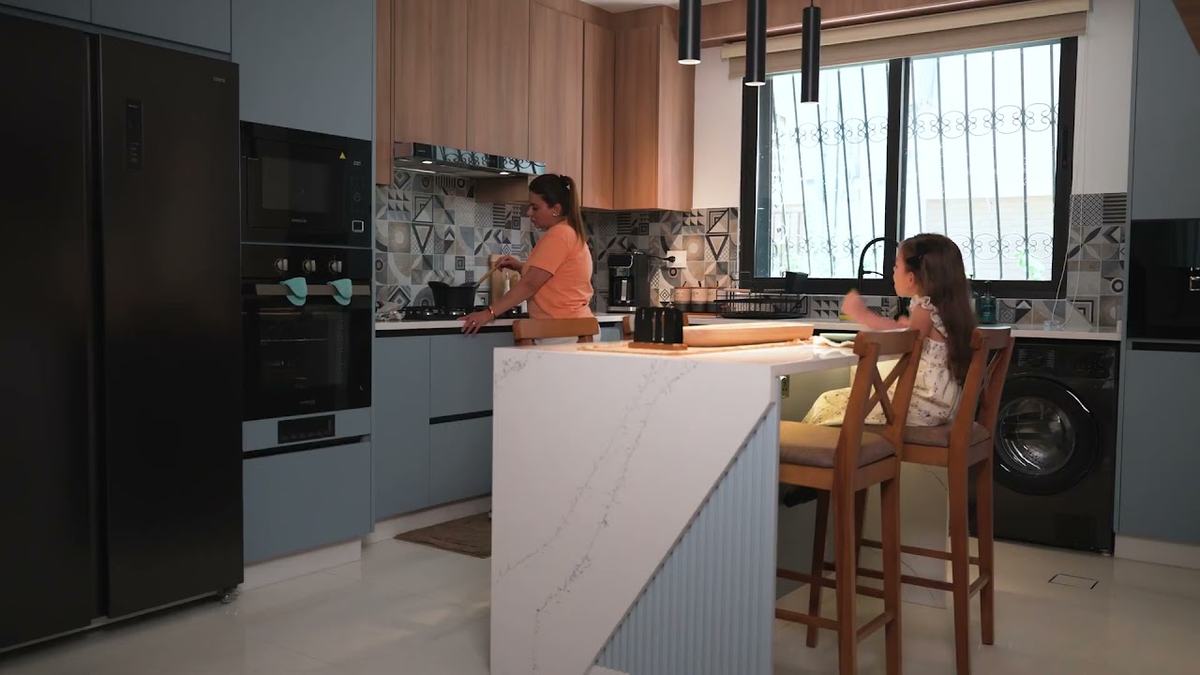
An ad script that sells in the Jordanian dialect is written in the words customers already use, in short sentences that can be spoken in one breath, and it follows a clear order: hook, problem, solution and proof, offer, and one final step. The goal is for the viewer to feel someone is talking with them, not that an ad is being read at them.
Dialect is not just swapping standard Arabic words for colloquial ones. It is a way of thinking: what would a friend say when recommending a shop? That sentence is usually stronger than any slogan. That is why we start scripts from real customer conversations, not a blank page.
When we write in dialect, and when in standard Arabic
Dialect is not always right, and standard Arabic is not always too formal. We decide based on three things:
- Platform: on Instagram, TikTok and Snapchat, dialect feels natural and matches the content around the ad. On Google and website copy, simple standard Arabic is usually clearer and better for search.
- Market: an ad for Amman differs from one for Kuwait or Saudi Arabia. Gulf audiences notice immediately when a dialect is not theirs, and simple standard Arabic can be safer than a poorly done dialect. We cover the differences in marketing to the Gulf from Jordan.
- Brand character: a clinic or school may need polite dialect close to standard Arabic, while a youthful restaurant can be fully casual.
There is a third option we use often: a neutral colloquial that any Arab viewer understands, without very local words.
The script template we follow
Most of our short ad scripts follow five parts. Timings are approximate for a video of about 30 seconds:
- Hook (first 3 seconds): a question, scene or line that stops the scroll. See the first 3 seconds.
- Problem (to around second 8): the situation the customer is living, in their words. The more precise, the more it feels made for them.
- Solution and proof (to around second 20): what you offer and why they should believe you: a visible result, a customer experience, or a simple explanation from an expert.
- Offer: a price, discount, free consultation, or a reason to act now rather than later. If there is no offer, at least a clear reason for the timing.
- Step (last 3 seconds): one action in one sentence, also written on screen: “Message us on WhatsApp to book.”
The template is not a law. Story ads, like our own ads about grandma and fashion or grandpa’s shoes and school, follow a different order and save the product for the end. Even there, the hook and the final step are always present. Story structure is covered in why a story sells better than an offer.
Rules for writing for the ear
A script is written to be spoken, not read. We check every script against these rules before it goes to the client:
- One sentence, one breath. If the speaker needs to breathe mid-sentence, it is too long.
- People’s words, not company words. “We bring it to your door” instead of “we provide delivery services.”
- No tired ad phrases. “Don’t miss the chance” and “quality at the right price” no longer register with anyone.
- One idea per video. Three services means three videos.
- Read it out loud. Any word we stumble over gets changed.
- Write for the person who will say it. If the speaker is a calm shop owner, we do not hand him excited lines that do not fit him. The camera exposes acting.
- On-screen text is not the voiceover. Text sums up the idea in a few words rather than repeating every line.
Example: a dental clinic, Jordanian and Gulf versions
Say a dental clinic in Amman wants teeth whitening bookings, with patients from Jordan and Gulf visitors who come in summer. The customer: a young man or woman with a wedding or event coming up. The message: a brighter smile in one session before the occasion.
Jordanian version (translated):
“Your wedding is in a month and you keep closing your mouth when you laugh in photos? (Hook) Lots of people feel their teeth aren’t the color they want, especially with coffee and tea every day. (Problem) At our clinic, one whitening session takes about an hour, and the doctor explains beforehand what result to expect for your teeth. (Solution and proof) This month the first consultation is free. (Offer) Message us on WhatsApp and book. (Step)”
Gulf version (translated):
“Wedding or event coming up and want a brighter smile in your photos? Daily coffee and tea affect tooth color, and that is normal. One whitening session is about an hour, and the doctor explains the expected result first. If you are visiting Amman this summer, book your appointment now. Send us a WhatsApp.”
The difference is not only words like “baddak” and “tabi.” The Gulf version speaks to a traveler, so the offer becomes “book before you arrive,” and the hook is less cheeky, because joking with strangers works differently across the two audiences. Each version is filmed with a speaker from that dialect, because a Jordanian imitating a Gulf accent is caught in the first sentence. Details like session length and the offer are written to match what the clinic actually provides. We never script promises a client cannot keep.
How we handle this at Wave
Our content writer starts from the brief and real customer conversations, and writes in two columns, lines and scene, with at least three alternative hooks. Every script is read aloud inside the team before it goes to the client, and any line that does not sound natural is rewritten. For Gulf markets we write a separate version in that market’s dialect rather than swapping a few words. After launch, the lines that brought the cheapest conversations become a reference for that client’s next scripts.
Questions about this topic
Does a dialect ad make a brand look less professional?
How long should an ad script be?
Can I write the script myself and have an agency film it?
Want us to apply this to your brand?
Message us on WhatsApp, tell us what you sell and to whom, and we'll come back with a first idea and a plan.
Chat with us on WhatsAppRelated articles
 Content production
From Script to Final Cut: The Journey of a Video at Wave
A good ad video does not start with the camera or end in the edit. These are the stages every video goes through with us, and who does what at each one.
4 min read Content production
Reels That Bring Messages: What We Do Differently
A Reel that brings messages is designed around one question from the first second: what does the viewer need to see before they write to you? Here is how we build them at Wave.
4 min read Content production
UGC Ads: Why Simple Videos Sometimes Sell More
A UGC ad looks like it came from a real customer: shot on a phone, talking about an experience. Here is when it outsells big productions, when it doesn't, and how we prepare one.
4 min read