
From Script to Final Cut: The Journey of a Video at Wave
A good ad video does not start with the camera or end in the edit. These are the stages every video goes through with us, and who does what at each one.
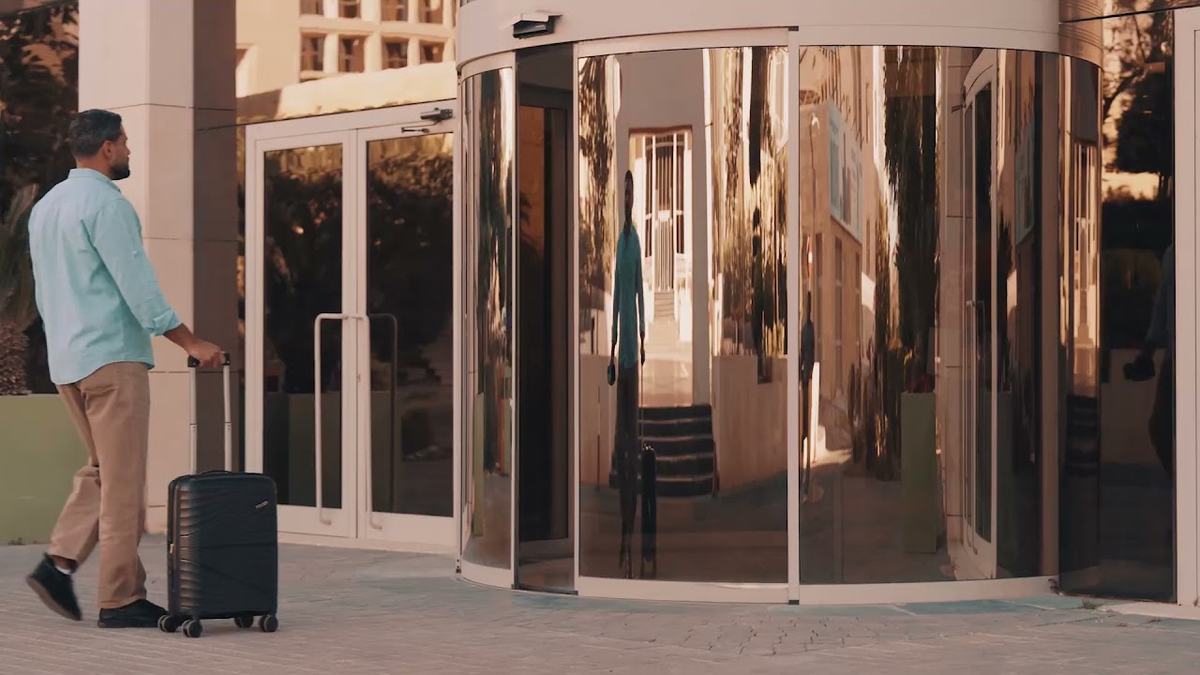
Every video we make passes through seven stages: brief, script, shot list, shoot, rough cut, reviews, and preparing versions for ads. More than half the work happens before the camera comes out, because every decision settled on paper saves hours on shoot day and rounds of changes in the edit.
The result is not one video. Each script usually produces several versions: different openings, different lengths, and sizes for each platform. That is what makes a video ready to test and scale, not just ready to show.
The seven stages at a glance
- Brief: the video’s goal, audience, message and the number we will judge it by.
- Script: lines, hook and scenes, written in detail and approved by the client.
- Shot list: every shot we need, in filming order rather than video order.
- Shoot: a day planned almost minute by minute, producing more than one video.
- Rough cut: the first complete version with pacing and on-screen text.
- Reviews: a set number of revision rounds with the client.
- Versions: alternative hooks, lengths and sizes, handed to the media buyer.
Before the shoot: the paperwork that saves time
The brief
One page written by the creative strategist with the account manager: who the customer is, the problem, the single message, the proof, and the action we want from the viewer. If the brief is unclear, everything after it struggles.
The script
Our content writer works in two columns: one for spoken lines and on-screen text, one for what we see at each moment. The hook gets its own line with alternatives. Every script is read out loud before it goes to the client, because a sentence that reads well on paper does not always sound natural spoken. The method is in how we write ad scripts that sell.
Shot list and prep
The approved script becomes a shot table: each shot with its location, angle, who is in it, and which props or products it needs. We group shots by location and lighting to avoid moving around. We also send the client a prep list: products, staff who will appear, location permissions, and wardrobe.
Shoot day: several videos from one day
Shoot day is not the time for new ideas. It is execution. We follow the shot list, film each alternative hook as its own shot, and capture extra product and location footage for other versions and page content. How we plan a day to leave with more than one video is in shoot day planning.
We film mainly vertical, because most ads are seen on phones, and we leave space in the frame for text away from platform buttons. Sound is recorded on a separate microphone, because bad audio drives people away faster than a bad picture.
Editing and reviews: from raw footage to ready versions
Rough cut
The editor starts from the script but sets the pace based on the real footage. The goal of the first cut is to hold the viewer from the first second to the last: no dead moments, clear on-screen text, and captions for speech because many people watch muted. Our retention techniques are in editing for retention.
Reviews
We agree on the number of revision rounds up front and ask for feedback collected in one place with timestamps. “Change the music at 0:12” is far clearer than “something feels off.” Changes to the core idea after filming cost much more than changing it at script stage, which is why we insist on clear script approval before the shoot.
Preparing versions
Once the main version is approved, we produce:
- A version for each alternative hook on the same body.
- A short cut and a longer one if the footage allows.
- 9:16 for reels and stories, and 4:5 or 1:1 for feed when needed.
- A clean version without text for other uses.
- Clear file names showing hook, length and size, so the media buyer knows what is being tested.
Example: a car dealer launching a new model
Say a car dealer in Amman is launching a new SUV and wants test drive bookings. The brief defines the customer: a father of two thinking of replacing the family car, who cares most about space and safety. The message: “A car with room for your whole life.”
The script follows the family through a normal day: the school run, a grocery trip, a weekend outing. It has three alternative hooks: the trunk packed full, the question “Has your car gotten too small for your family?”, and the kids squabbling in the back seat of a small car.
The shot list splits into two locations: the showroom in the morning for detailed car shots, and a quiet street in the afternoon for the family scenes. The same day we film a short interview with a salesperson explaining the safety features, which becomes a separate video for people comparing options.
The edit produces a 30-second main video, three hook versions, a 15-second cut, and the salesperson video. All are delivered to the media buyer with clear names, launched as a test on one audience, and judged by cost per test drive request.
How we handle this at Wave
Writing, filming, editing and ad buying sit under one roof at Wave, so the media buyer joins the brief from the start and the editor knows which versions are needed before shoot day. No script is filmed without written approval, and every shoot day has a shot list that yields several videos. After more than 1000 videos, this order is what keeps delivery faster and revisions fewer. After launch, each version’s numbers go back to the writer so the next script is stronger.
Questions about this topic
How long does it take to produce an ad video?
Do I need to be at the shoot?
How is editing for ads different from editing for the page?
Want us to apply this to your brand?
Message us on WhatsApp, tell us what you sell and to whom, and we'll come back with a first idea and a plan.
Chat with us on WhatsAppRelated articles
 Content production
How We Write Ad Scripts That Sell in the Local Dialect
A script that sells is written in the words customers actually use, not catalog language. Here is how we write in dialect, with a template and a full example.
4 min read Content production
Reels That Bring Messages: What We Do Differently
A Reel that brings messages is designed around one question from the first second: what does the viewer need to see before they write to you? Here is how we build them at Wave.
4 min read Content production
UGC Ads: Why Simple Videos Sometimes Sell More
A UGC ad looks like it came from a real customer: shot on a phone, talking about an experience. Here is when it outsells big productions, when it doesn't, and how we prepare one.
4 min read