
One Idea, Many Versions: Why We Test Before We Scale
The most expensive ad mistake is putting the whole budget on one video because you like it. Here is how we test several versions of one idea and let the numbers choose.
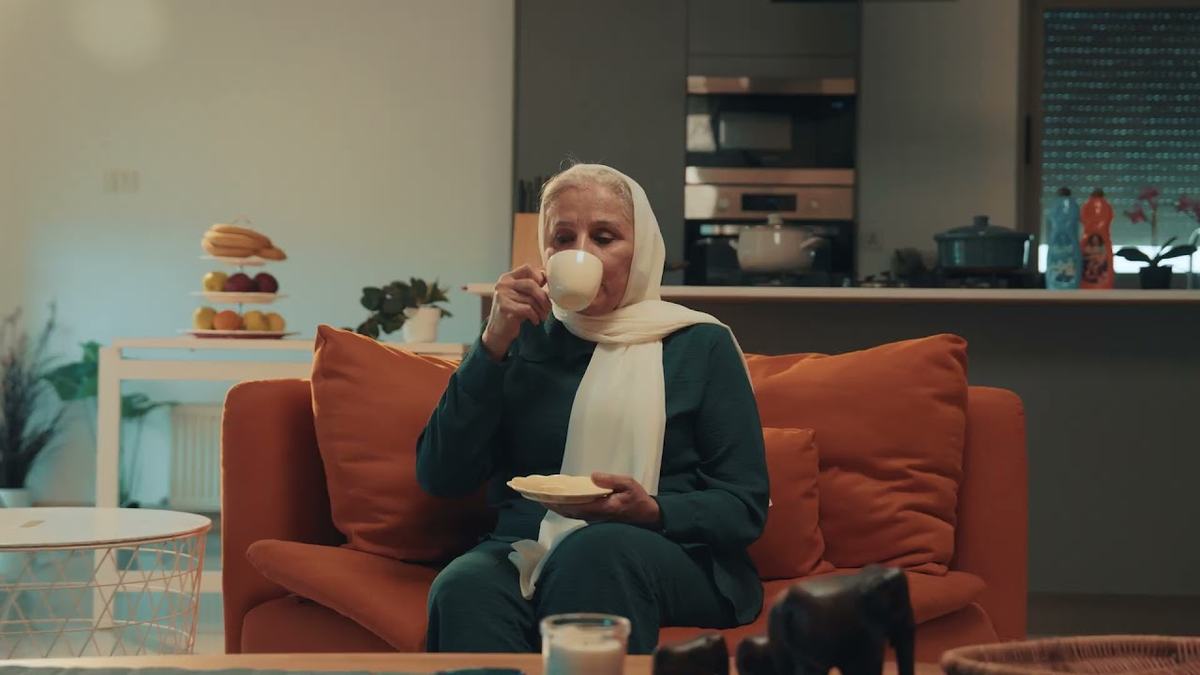
We make several versions of every idea because nobody, not us and not the business owner, can know in advance which video will sell. The version everyone loved in the meeting can lose, and the one someone called “fine” can win. Testing turns opinion into a number.
The method is simple. We keep the core idea fixed and change one or two elements between versions, such as the hook, the first shot or the person speaking. We run them on small, similar budgets, and once enough data comes in we scale the winner and stop the rest. The big budget then goes to a video that has proven itself, not one we happened to like.
Why we never scale before testing
Scaling early multiplies the mistake. If you put the whole month’s budget on one video and the cost per conversation comes out high, you will not know whether the problem was the idea, the hook, the offer or the audience. You will have spent the budget and learned nothing.
When you run three or four versions on a small budget, the difference between them shows you what moves people. Even the losing versions teach you something: this hook does not work with this audience, or this offer is not strong enough. That feeds the next script, so every test round makes the next one smarter.
What we change, and what we keep fixed
Not every element has the same impact. Here is our order, from largest to smallest:
- Angle: the reason we sell. Changing it changes who engages. See content angles.
- Hook and first shot: the cheapest element to change and sometimes the most powerful, because it decides who keeps watching.
- Person and format: the owner talking, a customer, voiceover with product shots, or customer-style content.
- Offer: discount, gift, free delivery, or none.
- Length: a 15-second and a 40-second cut of the same material.
- Copy and call to action: “Message us” versus “Order now,” or the primary text under the video.
To learn the cause, change one element. To find a winner fast, change big elements first, then refine details.
In the first round with a new client, we usually test angles and hooks because they matter most. Once we have a winning video, later rounds move to smaller details like length and copy.
How we set up a test, step by step
- Pick the deciding number before launch: cost per conversation, cost per lead or cost per purchase. One main number, not five.
- Film all versions on the same day. Alternative hooks are shot separately and attached to the same body in the edit.
- Run versions under the same conditions: same audience, same objective, similar budget. On Meta we use the official A/B test tool, or place versions as ads in the same ad set, depending on budget. The build is covered in how we structure Meta campaigns.
- Leave the ads alone in the first days. Every edit sends the system back into learning and spoils the comparison.
- Wait for enough results so the difference is real, not chance. Two conversations against three does not make one version better.
How we read the result
The main number decides. Secondary numbers explain why:
- Share of viewers past 3 seconds: if low, the hook is the problem.
- Share who watch most of the video: if the hook is strong but people drop midway, the body or pacing is the problem.
- Click-through rate: if people watch to the end and do not tap, the offer or call to action is usually the issue.
- Conversation quality: we ask the client’s team whether a version’s messages are serious or vague. Cheaper conversations that never buy do not make a winner.
Example: an online skincare store
Say a Jordanian store sells a face serum online and wants website purchases. The core idea: “a simple two-step routine instead of ten products.” We film four versions:
- Version A: the owner talks to camera about her morning routine.
- Version B: the same script, opening on a shelf crowded with products and the text “Ten products and your skin is still tired?”
- Version C: a customer shares her experience, casually, on a phone.
- Version D: product shots with voiceover only, no faces.
They run on the same audience and similar budgets. If Version B comes out cheapest per purchase, we learn that the “too many products” angle is what moves people, not the person talking. The next step is a set of new versions built on that angle with different people, while we raise Version B’s budget gradually instead of doubling it overnight.
This is the same logic we use with real stores. For one e-commerce store we worked with, items ordered reached 674 in a single month (27 December 2025 to 26 January 2026), up 200% on the previous period. In a Meta sales campaign aimed at new prospects, purchase ROAS reached 59.3. Results like these do not come from one lucky video. They come from consecutive test rounds that scale only what works. When exactly we stop an ad and when we scale it is covered in when we stop an ad and when we scale it.
How we handle this at Wave
Every script we write comes with at least two or three versions using different hooks or people, all filmed on the same day. Before launch we agree with the client on the number we will judge by, and we do not touch the ads in the first days. Once a winner is clear, we raise its budget gradually and write new versions based on what it taught us. The monthly report shows the client the versions side by side in numbers, so they know why we chose what we chose.
Questions about this topic
How many versions of each idea should I test?
Does testing need a big budget?
What if no version works?
Want us to apply this to your brand?
Message us on WhatsApp, tell us what you sell and to whom, and we'll come back with a first idea and a plan.
Chat with us on WhatsAppRelated articles
 Creative strategy
Content That Sells vs Content That Just Looks Good
Content that sells starts with one question: what should the viewer do after watching? Here are the signs that separate it from content that only looks good, and how to measure it.
4 min read Creative strategy
The First 3 Seconds: How We Write Hooks That Stop the Scroll
A hook is not just a clever line. It is a visual, on-screen text and a spoken line working together in the first 3 seconds. Here is how we write and test them.
4 min read Creative strategy
How We Analyze Your Competitors' Ads Before Writing a Line
Competitor ad analysis is not copying. It is a map of what the market has already said and the gap nobody has filled. Here is our process, step by step.
4 min read